
Break the link
between money
and justice.
The Fines and Fees Justice Center (FFJC) works to make the criminal legal system more fair and just for all by ending governments’ policies of using fines and fees to profit off the most vulnerable.

1 in 3 people have been impacted by court debt over the last ten years.
Discover the impact of fines and fees on families
17M
An estimated 17 million households with children likely experienced shortfalls in food, housing, healthcare, or other essentials because a parent was saddled with court debt.
99%
99% of parents impacted by court debt had to cut back on one essential need.
51%
51% of people impacted by court debt had to cut back on two or more essentials.
We empower state and local efforts to end justice fees and debt-based license restrictions, and ensure that where fines exist they are fair and equitably imposed.
See our advocacy campaigns
Get the research and tools you need to power your campaigns
Explore FFJC’s Clearinghouse
Latest advocacy tools & research
How Court Fines and Fees Impose Instablility
How Court Fines and Fees Impose Instablility
How Fines And Fees Hurt Working Families
How Fines And Fees Hurt Working Families
Explore Community Service Alternatives
Explore Community Service Alternatives
Latest News
Press Release: FFJC Launches National Initiative to Help Courts Improve Fine and Fee Practices
Contact: Michael Paul Jackson, Fines and Fees Justice Center mjackson@finesandfeesjusticecenter.org The Court Engagement Initiative helps judges hold…
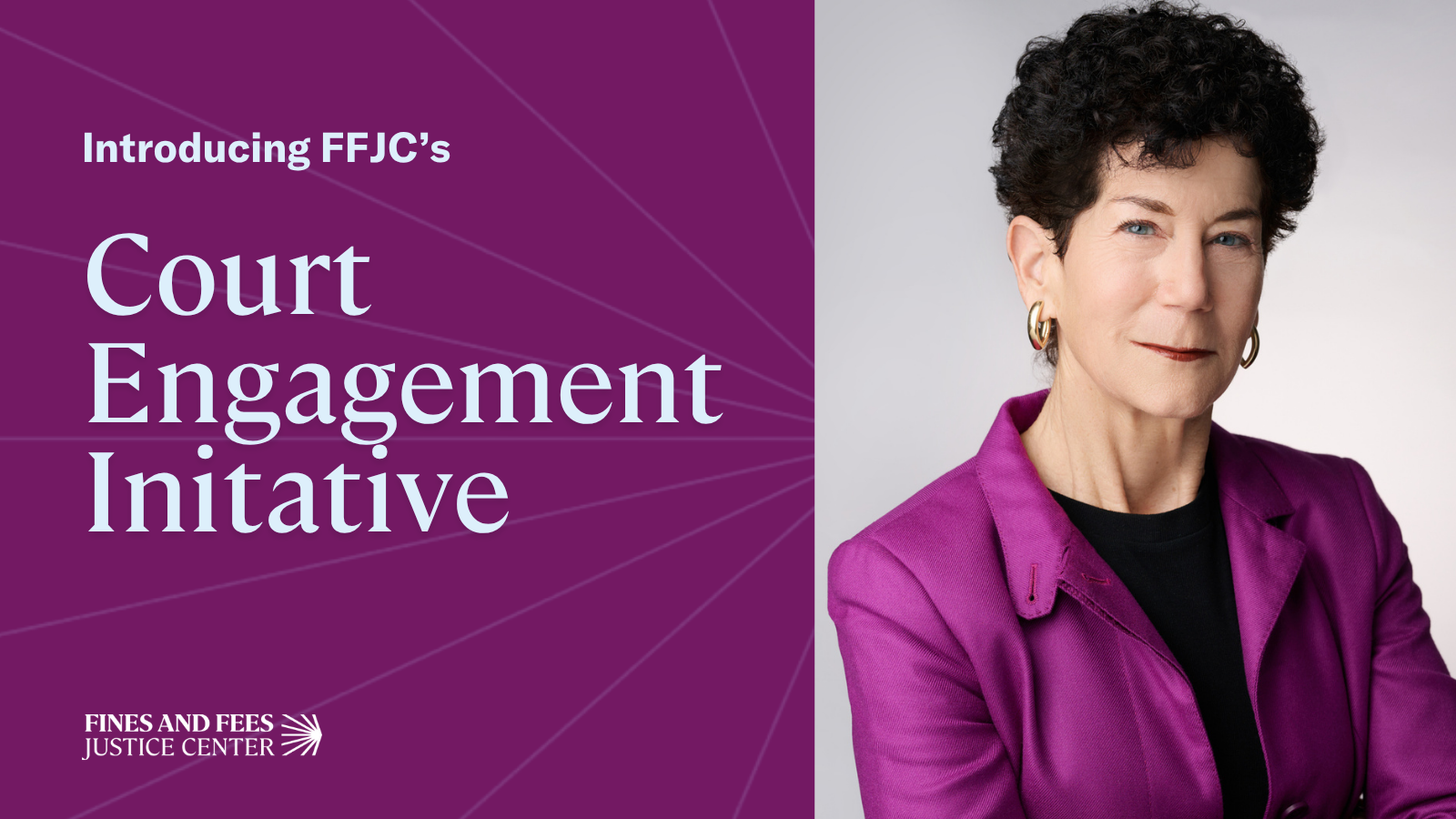
Press Release: FFJC Launches National Initiative to Help Courts Improve Fine and Fee Practices
Press Release: The Fines and Fees Justice Center Releases First-of-its-Kind Report Showing Billions in Relief to Families from Reforms
Press Release: The Fines and Fees Justice Center Releases First-of-its-Kind Report Showing Billions in Relief to Families from Reforms
FFJC Statement on the Indictment of the Southern Poverty Law Center
FFJC Statement on the Indictment of the Southern Poverty Law Center